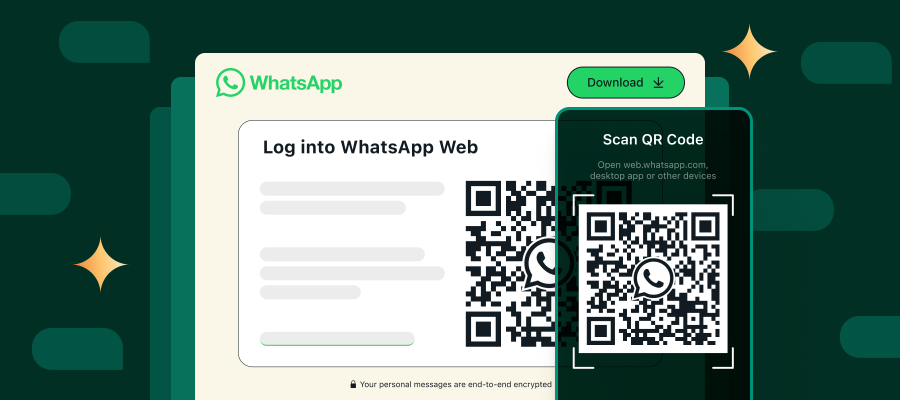
The shift from mobile-exclusive messaging to multi-device workflows has fundamentally transformed how individuals and organizations handle daily communication. For professionals, students, and power users, keeping a smartphone constantly in hand while managing deep computer tasks introduces unnecessary workflow friction. WhatsApp Web bridges this divide by projecting the core functionality of the world’s leading messaging platform directly into any desktop browser. Moving far beyond its early iterations as a simple notification mirror, the browser version has matured into an independent, feature-rich productivity workspace.
Evolution of Browser-Based Messaging
In its formative years, WhatsApp Web operated as a tethered client that required a 如何登录WhatsApp网页版 user’s primary mobile phone to remain continuously powered on, active, and connected to the internet to pass data packets back and forth. Modern architectural changes have completely overhauled this framework through an independent multi-device structure.
Users can now seamlessly link up to four companion devices—including desktop browsers, tablets, and standalone apps—while keeping their primary smartphone offline for up to 14 days. Each active browser session establishes a direct, end-to-end encrypted connection. This ensures that chat histories sync instantaneously across all active monitors without compromising data privacy or demanding constant proximity to a phone. Furthermore, authentication flexibility allows users to log in securely using alternative methods, such as entering a phone number for a one-time verification code, which removes friction when a device camera is unavailable.
Core Features and Capabilities
Recent updates have turned WhatsApp Web into a robust communications hub that easily rivals standalone native applications:
- Native Browser Calling: Users can initiate and receive one-on-one and group voice and video calls natively inside major browsers like Google Chrome, Microsoft Edge, and Apple Safari, eliminating the need to install external helper applications.
- High-Capacity File Management: The platform accommodates heavy workflows by supporting direct drag-and-drop file transfers up to 2GB in size, making the distribution of media, spreadsheets, and archives seamless.
- Meta AI Integration: Embedded directly into the chat interface, the assistant helps users draft professional responses, brainstorm project ideas, parse long conversation strings, or generate custom images using simple text prompts.
- Advanced Privacy Controls: Features like Chat Lock and Secret Codes sync from mobile devices, allowing users to conceal confidential or sensitive conversations behind a custom passcode directly on their computer screens.
Optimizing Workflow and Security
Shifting everyday communications to a computer keyboard naturally opens up major efficiency gains. Users can slash navigation times by leveraging essential shortcuts, such as opening a new chat window (Ctrl + Alt + N on Windows or Cmd + Option + N on Mac) or bringing up the emoji panel (Ctrl + Alt + E / Cmd + Option + E).
At the same time, operating inside shared office terminals or public browser environments demands strict safety habits. Always verify that authentication codes are scanned or entered exclusively through the official web domain (web.whatsapp.com) to bypass phishing clones. Users should manually log out of shared computers when stepping away, enable Two-Step Verification on their main mobile accounts, and implement Advanced Chat Privacy features to prevent unauthorized data exports or local tracking.
By marrying multi-device autonomy, native communication utilities, and integrated artificial intelligence, WhatsApp Web stands out as a vital tool for streamlined, cross-platform digital collaboration.